

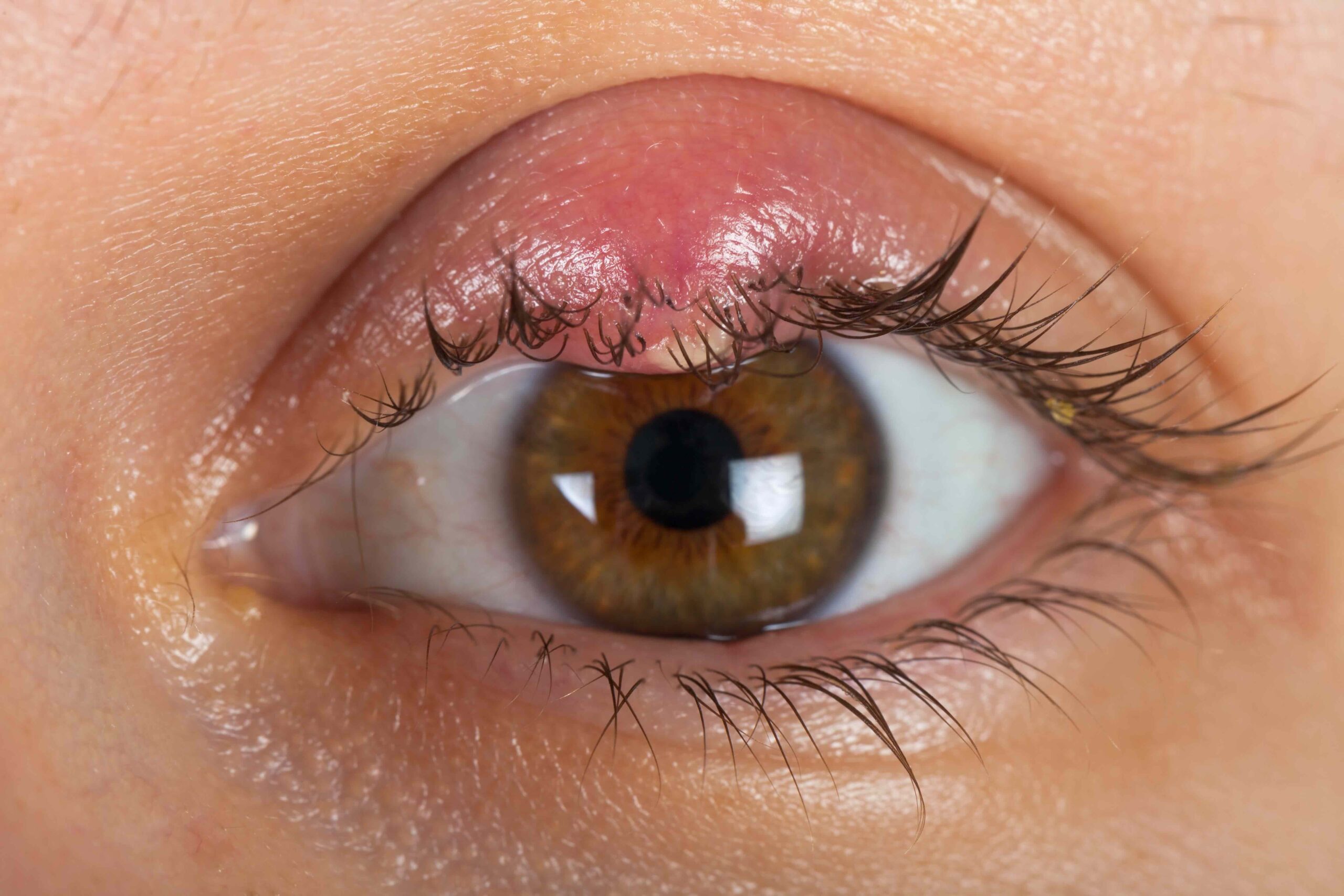
Relief for Red, Itchy Eyelids in Austin, Killeen, Kyle & New Braunfels
If your eyelids always feel itchy, crusty, or irritated, or your eyes burn and water—especially in the morning—you might be dealing with a common condition called blepharitis.
Blepharitis is inflammation of the eyelid margins, right where your eyelashes grow. It’s very common and not contagious, but it can be stubborn, uncomfortable, and frustrating if it’s not treated correctly.
At Westlake Eye Specialists, we diagnose and treat blepharitis every day for patients from Austin, Killeen, Kyle, and New Braunfels, TX, combining modern in-office treatments with simple, effective at-home care.
Blepharitis Symptoms: When to See an Eye Doctor in Central Texas
Blepharitis can affect one or both eyes and may come and go. You might notice:
- Red, swollen, or puffy eyelids
- Flakes or crusts along the eyelashes (often worse when you wake up)
- Burning, stinging, or a “gritty,” sandy feeling in the eyes
- Itchy eyelids and frequent eye rubbing
- Watery or dry, irritated eyes
- Sensitivity to light
- Mild blurred vision that improves after blinking
Because blepharitis often overlaps with dry eye disease and meibomian gland dysfunction (MGD), it’s important to see an eye doctor in Austin, Killeen, Kyle, or New Braunfels rather than trying to self-diagnose.
What Causes Blepharitis?
Blepharitis is usually caused by a mix of factors, including:
- Bacteria on the eyelids – Normal skin bacteria can build up along the lash line and trigger inflammation.
- Meibomian gland dysfunction (MGD) – The oil glands in your eyelids can get clogged or stop working properly, leading to dry eye and inflamed lids.
- Skin conditions – Problems like rosacea or seborrheic dermatitis (dandruff) often involve the eyelid area as well.
- Demodex mites – Tiny mites that live in hair follicles can overgrow along the lashes and contribute to irritation and crusting.
Whether you live in North Austin, South Austin, Killeen, Kyle, or New Braunfels, Texas allergies, dry air, and screen time can all make these issues worse—so getting a customized diagnosis really matters.
Why You Shouldn’t Ignore Blepharitis
Blepharitis is more than a cosmetic nuisance. If it’s left untreated, it can lead to:
- Chronic dry eye and irritation
- Recurrent styes or chalazia (painful eyelid bumps)
- Thickened, droopy, or misdirected eyelashes
- Contact lens discomfort or intolerance
- Increased risk of surface eye infections
Our blepharitis specialists at Westlake Eye Specialists focus on calming the inflammation, protecting the eye’s surface, and improving long-term comfort for our Central Texas patients.
How Westlake Eye Specialists Diagnose Blepharitis
During your visit at one of our locations in Austin, Killeen, Kyle, or New Braunfels, our team will:
- Examine the eyelid margins and eyelashes with a slit-lamp microscope
- Evaluate your tear film and meibomian (oil) gland function
- Look for signs of Demodex mites, bacterial overgrowth, or underlying skin conditions
- Check for dry eye or corneal irritation that might be related to your eyelid inflammation
We’ll then clearly explain what type of blepharitis you have and design a treatment plan that fits your lifestyle—whether you commute into Austin, work at Fort Cavazos near Killeen, or live in the growing communities of Kyle or New Braunfels.
Blepharitis Treatment Options in Austin, Killeen, Kyle & New Braunfels
Treatment focuses on reducing inflammation, improving eyelid hygiene, and restoring healthy oil flow from your glands. Depending on your case, your plan may include:
1. Daily Eyelid Hygiene at Home
Think of this as “brushing your eyelids” the way you brush your teeth. Your Westlake eye doctor may recommend:
- Warm compresses to loosen oil and crusts
- Gentle lid scrubs with specific wipes or foam cleansers
- Careful removal of eye makeup along the lash line
We’ll show you exactly how to do this so it’s quick, safe, and easy to continue at home in Austin, Killeen, Kyle, or New Braunfels.
2. Advanced In-Office Blepharitis & MGD Treatments
For more stubborn blepharitis or severe MGD, we may recommend advanced office-based therapies, such as:
- Lid debridement or exfoliation to deeply clean the lash line
- Thermal or light-based treatments designed to unclog meibomian glands and improve oil flow
- Expression of the glands to help restore a healthier tear film
These treatments can be especially helpful for patients who have tried warm washcloths or over-the-counter products for years without relief.
3. Medications When Needed
Depending on your exam results, your Westlake doctor may prescribe:
- Topical antibiotic or anti-inflammatory eye drops or ointments
- Oral medications in cases linked to rosacea or severe inflammation
- Targeted therapy when Demodex mites are part of the problem
Our goal is to use the least amount of medication needed to get your lids comfortable and your eyes feeling normal again.
Is Blepharitis Curable?
Blepharitis is usually a chronic condition, which means it tends to flare up from time to time. The goal is long-term control, not a one-time “cure.”
With the right combination of in-office care and consistent home routines, most patients in Austin, Killeen, Kyle, and New Braunfels experience:
- Less redness, crusting, and swelling
- More comfortable, calmer eyelids
- Improved dry eye symptoms
- Better contact lens comfort and clearer vision
Think of your blepharitis care plan as a skin-care routine for your eyelids—once things are under control, a simple daily habit can keep symptoms from coming back.
When to Schedule a Blepharitis Evaluation
You should book an appointment at Westlake Eye Specialists if you notice:
- Persistent redness, swelling, or crusting of the eyelids
- Burning, gritty, or watery eyes that aren’t improving
- Frequent styes or eyelid bumps
- Worsening dry eye despite using artificial tears
Our doctors provide blepharitis and dry eye evaluations across Central Texas, so you can get answers close to home—whether that’s Austin, Killeen, Kyle, or New Braunfels.
Get Relief from Blepharitis at Westlake Eye Specialists
You don’t have to live with red, irritated, “tired” eyes.
If you suspect you have blepharitis—or you’ve been treating “dry eye” for years without real relief—our team is here to help.
👉 Schedule a blepharitis evaluation at Westlake Eye Specialists in Austin, Killeen, Kyle, or New Braunfels, TX.