


Austin Cataract Surgery: Your Complete Guide to Clearer Vision
Everything you need to know about modern cataract surgery in Austin — from advanced laser technology and premium lens implants to choosing the right surgeon for your eyes.
What Are Cataracts and When Is Surgery Needed?
Cataracts are one of the most common age-related vision conditions in the United States, affecting more than half of all Americans over the age of 65. A cataract develops when the natural crystalline lens inside the eye gradually becomes cloudy, leading to symptoms like blurred vision, increased sensitivity to glare, faded colors, and difficulty seeing clearly at night.
While cataracts can develop slowly over years, they eventually reach a point where glasses and contacts can no longer compensate for the vision loss. At that stage, cataract surgery becomes the recommended treatment — and the good news is that it’s one of the safest, most successful surgical procedures performed today.
Modern Austin cataract surgery goes far beyond simply removing a cloudy lens. Today’s procedures offer an opportunity to not only restore clear vision but to potentially reduce or even eliminate your dependence on glasses and contacts. With advanced laser technology and a wide selection of premium intraocular lens implants (IOLs), patients have more choices than ever for how they want to see after surgery.
Why Choose Westlake Eye Specialists for Austin Cataract Surgery
At Westlake Eye Specialists, cataract surgery isn’t a one-size-fits-all procedure. Our approach is built on three pillars: surgeon expertise, advanced technology, and personalized lens selection — and those three factors working together are what produce the kind of visual outcomes that change how our patients experience daily life.
Our surgical team includes three fellowship-trained cataract surgeons, each bringing a unique background and specialty focus. We offer every category of premium IOL currently available, including the Light Adjustable Lens (LAL) — a revolutionary technology that allows your surgeon to fine-tune your vision after the procedure. And our surgical facilities are equipped with the latest-generation femtosecond laser and NGenuity® 3D visualization system for unmatched precision.
Whether you’re seeking cataract surgery in Westlake, South Austin, or the surrounding Central Texas communities, our multi-location practice makes it convenient to access this level of care close to home.
Meet Our Austin Cataract Surgeons
Choosing the right cataract surgeon is one of the most important decisions you’ll make in this process. At Westlake Eye Specialists, our surgeons combine decades of collective experience, board certification, and subspecialty training to deliver consistently outstanding results.

Zarmeena Vendal, M.D.
Board-certified, Harvard-trained glaucoma fellowship. Voted Austin Top Doc multiple consecutive years. Over two decades of cataract, LASIK, and glaucoma surgery experience in Central Texas.
Learn more about Dr. Vendal →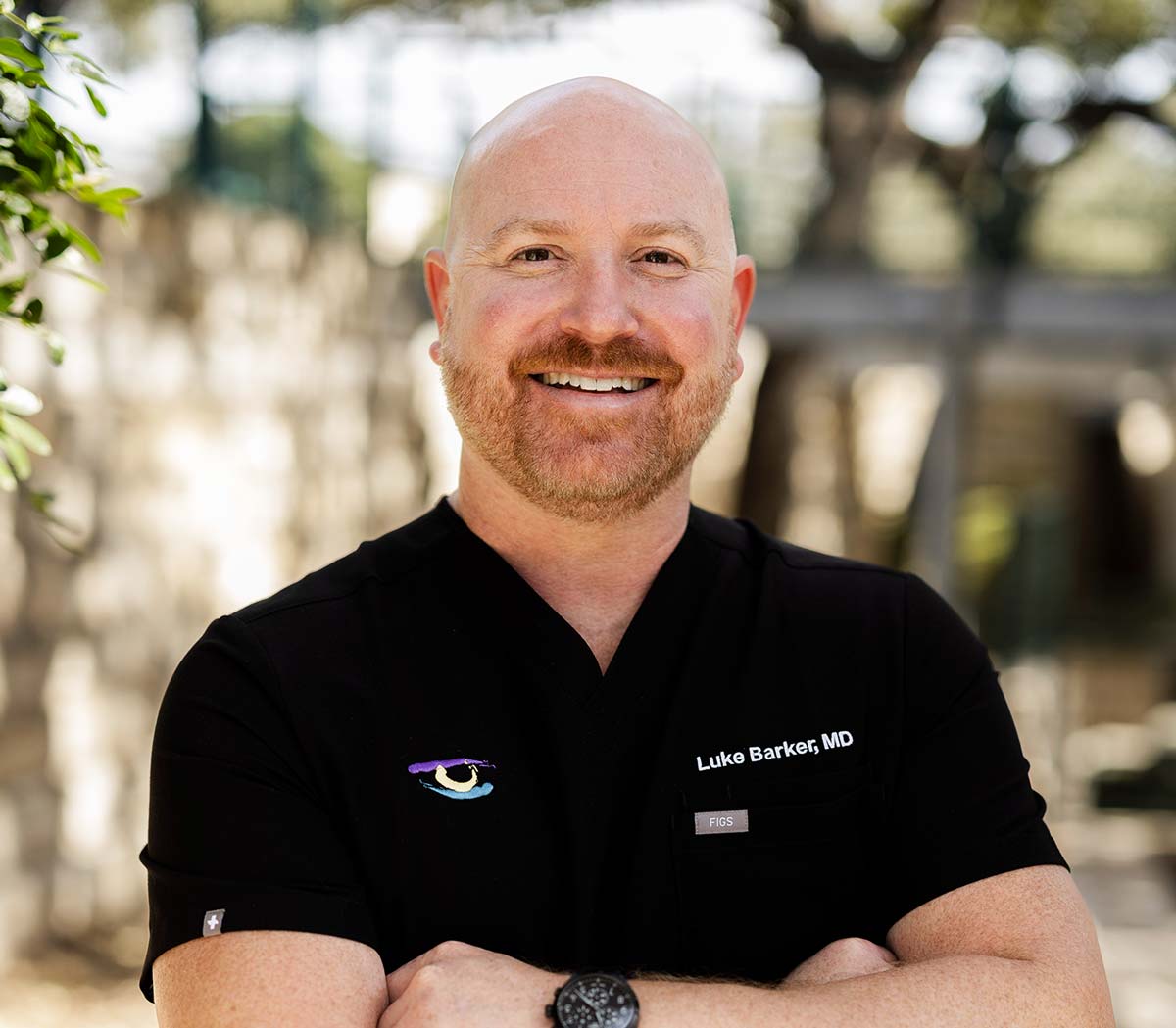
Luke Barker, M.D.
Board-certified Diplomate of the American Board of Ophthalmology and Fellow of the AAO. Previously the lead cataract and refractive surgeon at Mann Eye Institute in Austin for nearly a decade.
Learn more about Dr. Barker →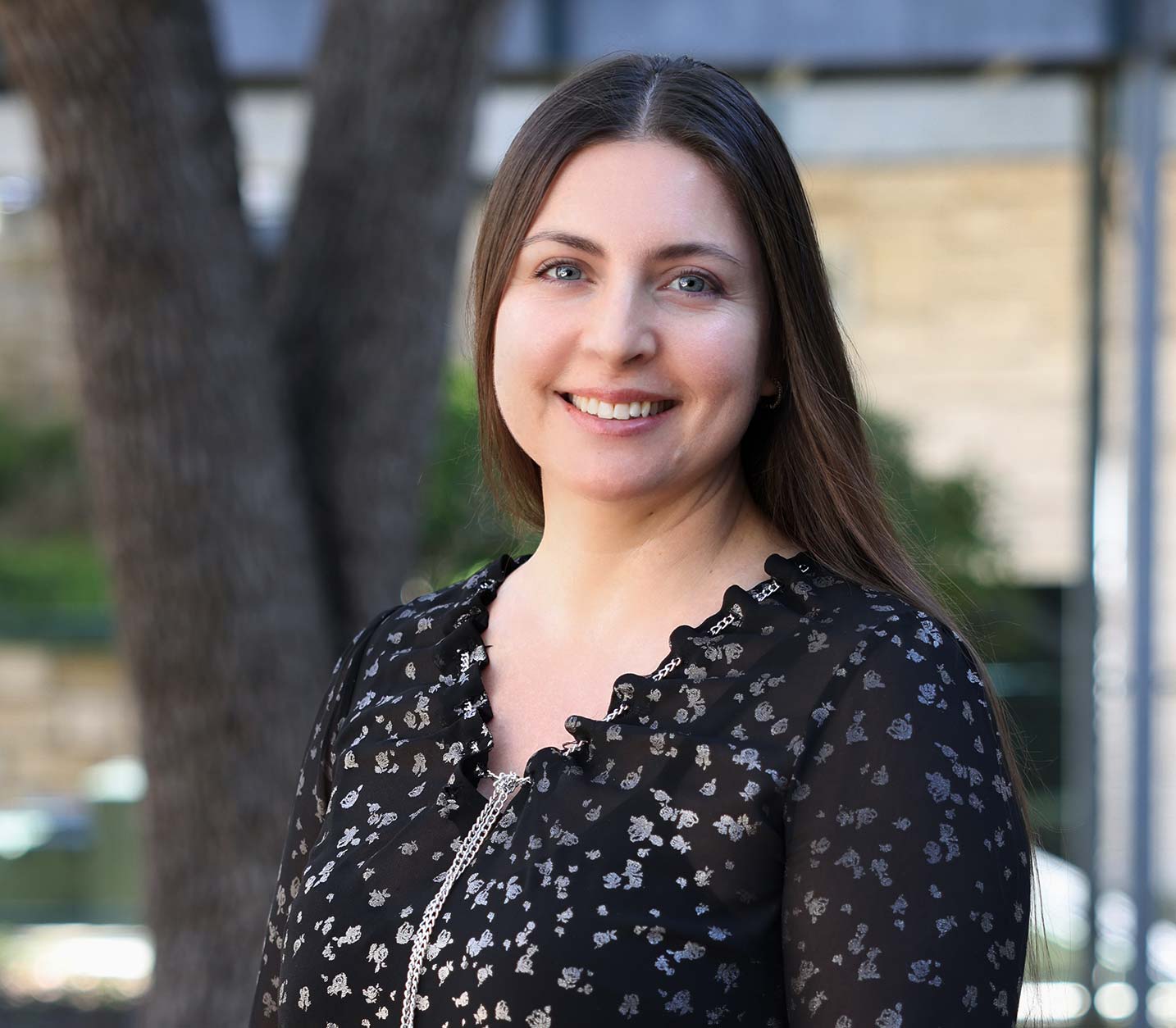
Catherine Makin, D.O.
Board-certified ophthalmologist and member of AAO and ASCRS. Recipient of the Humanism in Medicine award, bringing compassionate, patient-centered care to every surgical consultation.
Learn more about Dr. Makin →Advanced Cataract Surgery Technology in Austin
Laser Cataract Surgery
Traditional cataract surgery relies entirely on the surgeon’s hand with a manual blade. Laser cataract surgery replaces several of the most critical steps with a computer-guided femtosecond laser, delivering a level of precision that simply cannot be achieved manually. The laser creates the corneal incision, performs the capsulotomy (the circular opening in the lens capsule), and pre-fragments the cataract — all with micron-level accuracy.
This precision matters most when you’re choosing a premium IOL. Toric lenses for astigmatism correction, multifocal lenses, and extended depth-of-focus lenses all perform best when positioned with exact alignment and centration. Laser cataract surgery gives your surgeon the best possible foundation for optimal lens outcomes.
NGenuity® 3D Visualization System
Westlake Eye Specialists is one of the few practices in Austin performing cataract surgery with the NGenuity® 3D system. Rather than viewing the surgical field through a traditional microscope, your surgeon operates using a high-definition 3D display that provides enhanced depth perception, improved magnification, and superior color contrast. The result is greater surgical precision, especially during the most delicate phases of lens implantation.
Take our free Cataract Self-Test to evaluate your symptoms and determine if a cataract consultation may be your next step. It takes just a few minutes and can help guide your conversation with our team.
Premium Lens Implant Options for Austin Cataract Patients
The lens implant you choose during cataract surgery determines how you’ll see for the rest of your life. At Westlake Eye Specialists, we offer the full spectrum of premium IOL technology — and our surgeons take the time to match each patient with the lens that best fits their visual goals, lifestyle, and eye anatomy.
| Lens Category | Best For | Key Advantage |
|---|---|---|
| Monofocal Lenses | Patients prioritizing crisp distance vision | Proven reliability, excellent clarity at one focal point |
| Toric Lenses | Patients with astigmatism | Corrects astigmatism during cataract surgery |
| Extended Depth of Focus (EDOF) | Patients wanting distance and intermediate vision | Continuous range of vision with minimal halos |
| Multifocal Lenses | Patients wanting full range: near, intermediate, far | Greatest spectacle independence at all distances |
| Light Adjustable Lens (LAL) | Patients wanting customizable post-surgical fine-tuning | Only lens adjustable after implantation using UV light |
The Light Adjustable Lens: A Game-Changer for Austin Patients
The Light Adjustable Lens deserves special attention because it represents a fundamentally different approach to cataract surgery outcomes. Unlike traditional IOLs where the prescription is locked in at the time of surgery, the LAL can be adjusted in the weeks following your procedure using painless UV light treatments in our office.
This means your surgeon can observe how your eye heals, assess your real-world vision, and then make precise adjustments to optimize the final result. For patients who want the highest possible level of visual precision — or who have had previous eye surgery like LASIK — the Light Adjustable Lens offers a level of customization that no other IOL can match.
Cataract Surgery Combined with Glaucoma Treatment
For patients managing both cataracts and glaucoma, Westlake Eye Specialists offers a significant advantage: the ability to treat both conditions in a single procedure. This combined approach — performing cataract surgery alongside a minimally invasive glaucoma surgery (MIGS) — can reduce eye pressure, decrease dependence on glaucoma eye drops, and restore clear vision all at once.
Dr. Vendal is a Harvard-trained glaucoma fellowship specialist and one of the most experienced interventional glaucoma surgeons in the Austin area. Dr. Barker also brings extensive MIGS experience from his time as lead surgeon at Mann Eye Institute. Together, they offer the full range of MIGS procedures that can be combined with cataract surgery, including:
- Glaucoma stent surgery using the iStent inject®, iStent infinite®, or Hydrus® Microstent
- OMNI® Surgical System for canaloplasty and trabecular bypass
- Kahook Dual Blade® goniotomy
- iDose® TR sustained-release glaucoma medication implant
This combined surgical approach means fewer trips to the operating room, a single recovery period, and the potential to significantly reduce the number of daily glaucoma medications you need. It’s an approach that only practices with both cataract and glaucoma surgical expertise can offer at this level.
Learn how our interventional glaucoma program can be combined with your cataract surgery for a comprehensive, single-procedure solution. Ask about MIGS at your cataract consultation.
What to Expect: From Consultation to Recovery
Your Cataract Consultation
Your journey begins with a comprehensive evaluation at one of our Austin-area locations. During this visit, your surgeon will perform detailed diagnostic measurements of your eye, assess the severity of your cataract, evaluate any additional conditions like astigmatism or glaucoma, and discuss which lens implant options are best suited to your lifestyle and visual goals.
The Day of Surgery
Cataract surgery is performed as an outpatient procedure at our South Austin surgical center. The procedure itself typically takes around 15 to 20 minutes per eye, and most patients are comfortable throughout with light sedation and numbing drops. There are no needles and no stitches. Many patients notice improved vision within hours of the procedure, with continued improvement over the following days and weeks.
Recovery and Follow-Up
Most Austin cataract surgery patients return to normal daily activities within a day or two. You’ll have several follow-up visits in the weeks after surgery to monitor your healing. If you’ve chosen the Light Adjustable Lens, your post-operative visits will also include the UV light adjustment sessions that fine-tune your final vision — a process unique to the LAL that our patients consistently describe as one of the most satisfying aspects of their experience.
Austin Cataract Surgery Locations
Westlake Eye Specialists makes it easy to access advanced cataract care across Central Texas. Consultations and pre-operative evaluations are available at multiple convenient locations, and all surgical procedures are performed at our state-of-the-art South Austin surgical center.
- Westlake at Austin — Our flagship clinic in the heart of Westlake Hills
- South Austin Office & Surgery Center — Outpatient cataract surgical suite
- Village at Kyle Clinic — Serving Kyle, Buda, and San Marcos communities
- New Braunfels Clinic — Cataract consultations for Comal County patients
- Killeen Clinic — Serving Killeen, Fort Cavazos, and Temple area patients
- Georgetown Office — Consultations for Williamson County patients
Questions about insurance coverage and financing for cataract surgery? Our patient services team can walk you through your options, including what’s covered by Medicare and private insurance and what out-of-pocket costs may apply for premium lens upgrades.
Frequently Asked Questions About Austin Cataract Surgery
How do I know if I need cataract surgery?
Common signs include blurry or cloudy vision that doesn’t improve with a new glasses prescription, increased glare or halos around lights (especially while driving at night), faded or yellowed colors, and difficulty reading or performing close-up tasks. Our Cataract Self-Test can help you evaluate your symptoms, but a comprehensive eye examination with one of our surgeons is the most accurate way to determine if surgery is right for you.
Is laser cataract surgery safer than traditional cataract surgery?
Both traditional and laser cataract surgery have excellent safety profiles. The primary advantage of the femtosecond laser is precision — it creates more accurate, reproducible incisions and capsulotomies, which can be especially beneficial when positioning premium lens implants. For patients choosing toric, multifocal, or extended-depth-of-focus lenses, laser-assisted surgery gives the surgeon the best foundation for optimal lens performance.
What is the best lens implant for cataract surgery?
There’s no single “best” lens — the right choice depends on your eyes, your lifestyle, and your visual priorities. Active patients who want to minimize their dependence on glasses often do well with multifocal or extended depth-of-focus lenses. Patients with astigmatism benefit from toric lens options. And patients who want the most customizable outcome may be ideal candidates for the Light Adjustable Lens. Our surgeons will guide you through the options during your consultation.
How long does cataract surgery recovery take?
Most patients experience noticeably improved vision within a day or two and return to normal activities quickly. Full visual stabilization typically occurs within four to six weeks as the eye heals and the lens settles into its final position. Your surgeon will provide specific recovery instructions based on your procedure and lens choice.
Does insurance cover cataract surgery in Austin?
Medicare and most private insurance plans cover the medical portion of cataract surgery when it’s deemed medically necessary. Premium lens upgrades (such as multifocal, toric, EDOF, or Light Adjustable Lenses) and laser-assisted surgery typically involve an additional out-of-pocket cost. Visit our insurance and financing page for more details, or call our office at (512) 472-4011 to discuss your specific coverage.
Can cataract surgery and glaucoma surgery be done at the same time?
Yes — this is one of Westlake Eye Specialists’ key strengths. Our surgeons frequently combine cataract surgery with minimally invasive glaucoma surgery (MIGS) to address both conditions in a single procedure. This can lower eye pressure, reduce the need for daily glaucoma drops, and eliminate the need for a separate surgery. Ask your surgeon about combined procedures during your cataract consultation.